

The tranquility and peace of the remote pilgrimage sites in the hills of Bosnia and Herzegovina contrasts sharply with the bombed out buildings and bullet scarred alleys of the cities, but in some ways these serene places of belief are connected to the wars that have afflicted this region for centuries.
Bosnia and Herzegovina is a land of many beliefs, from Islamic and Sufi to Catholic and Eastern Orthodox. Some towns are entirely one religion or another while others are completely mixed. And the country is rich in pilgrimage sites for each of the religions.
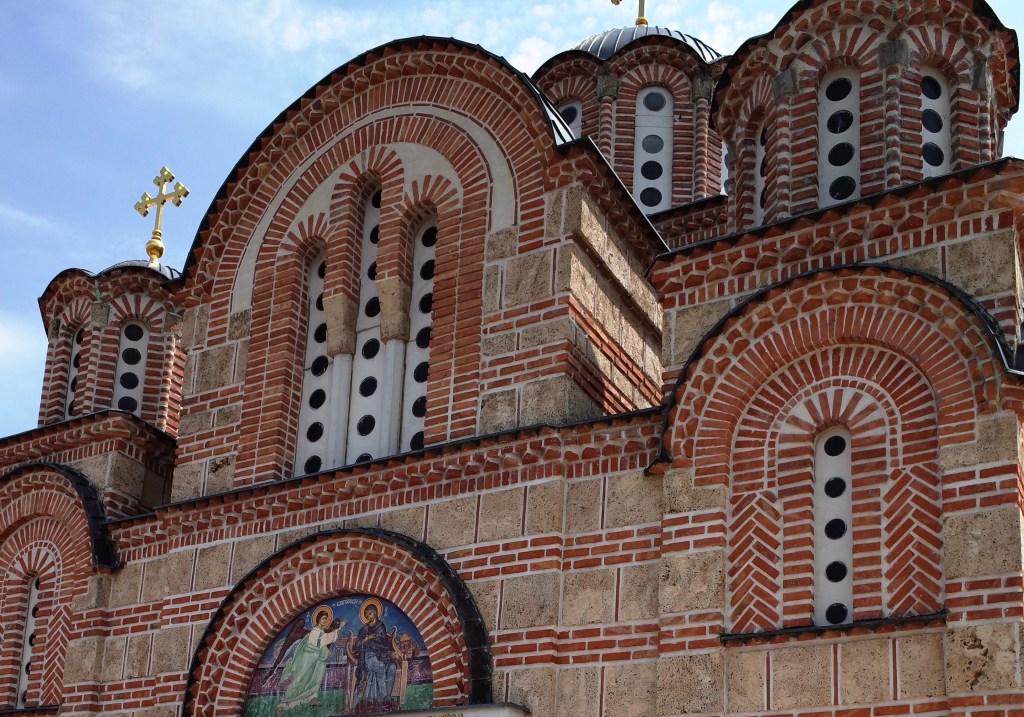
One such site is an orthodox monastery on the hilltop overlooking Trebinje. We visited here on our first trip to Trebinje three years ago and enjoyed the scenic surroundings and view as much as the church itself. It is a replica of the Gracanica Monastery in Kosovo, one of the most important religious sites of the Serbian Orthodox Church and a key part of the origin of Serb Orthodox nationalism.
This time Tola and I alone hiked up a small path through the forest that emerged from the trees to the monastery. A road comes up from the other side which brings up busloads of pilgrims and visitors. After visiting the monastery, many sit down for a coffee or beer at the cafe before returning to the bus. This time we skipped looking at the monastery completely and just relaxed with some drinks as the sun set over the city. I always seem to be wearing my prescription dark glasses and leave the flashlight at home when we end up being out later than planned so we had to hurry back down as soon as I finished my beer before it got too dark.
In Medjugorje, another small town in Southern Herzegovina, the Virgin Mary appeared to some children in 1981 and Catholic pilgrims began to arrive. The Yugoslav government initially declared it a hoax, but now 40 years later it is the country’s top pilgrimage site and Vatican approved.
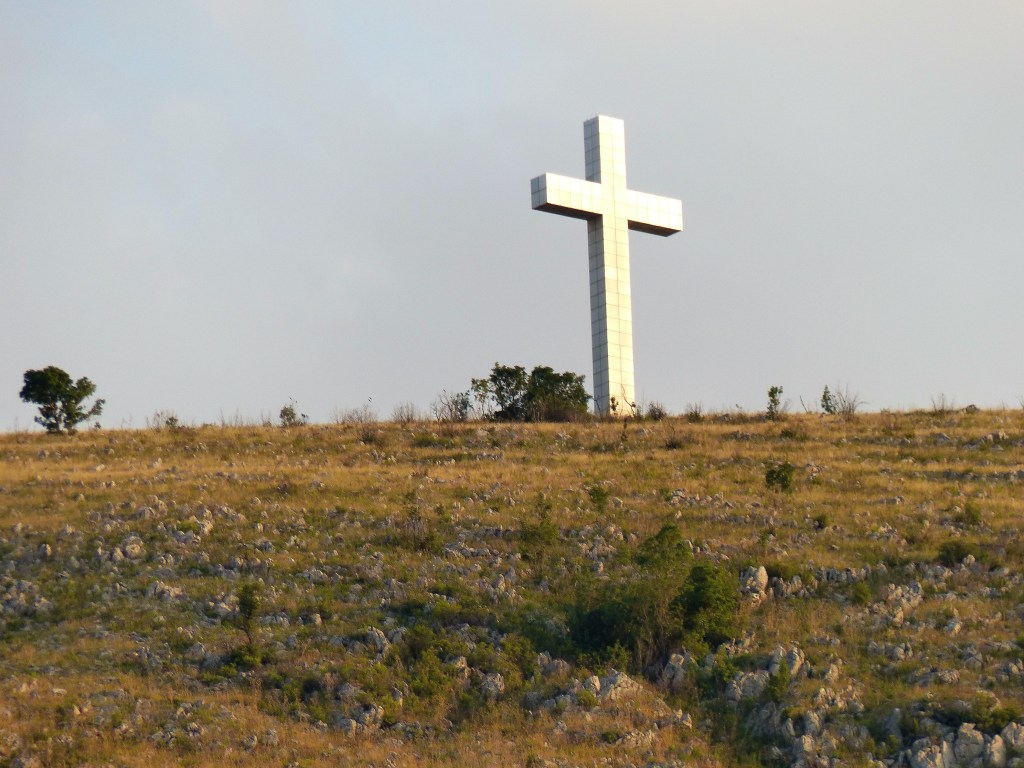
Upon leaving the predominantly Orthodox region of the Serbian Republic of Southern Herzegovina, we began to notice large numbers of Middle Eastern tourists including many women in full burqa. Our taxi driver told us that there were not many Arab tourists here five years ago, but now they make up most of his fares. Sarajevo, once split evenly between Muslims and Christians became over 80% Muslim after many Orthodox Serbs left to other places in the country after the civil war of the 1990s. The mountains and green valleys around Sarajevo could be mistaken for Switzerland if not for the minarets. Middle Eastern tourists find in Bosnia a very European feel with the comfort of being in an Islamic country.
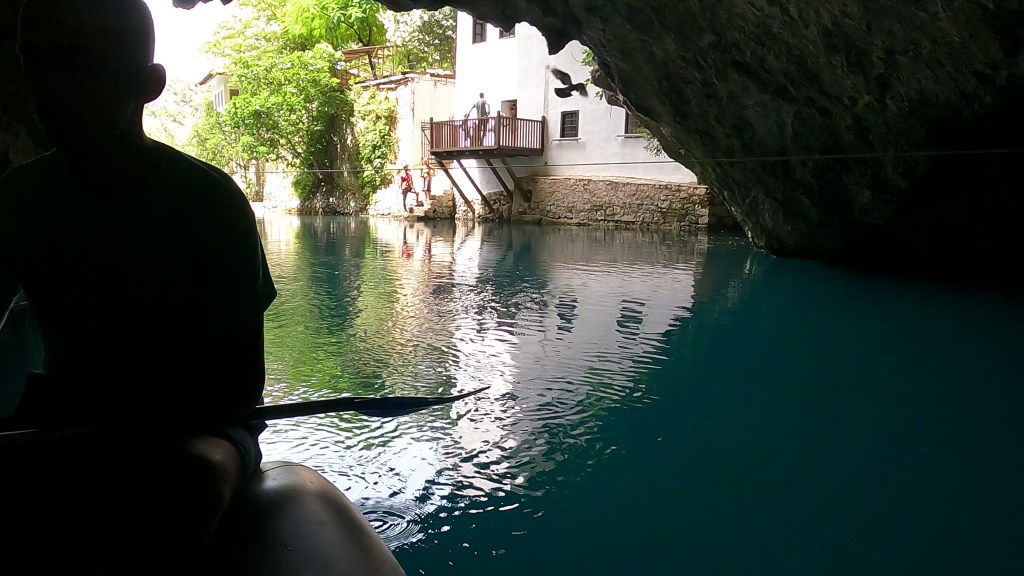
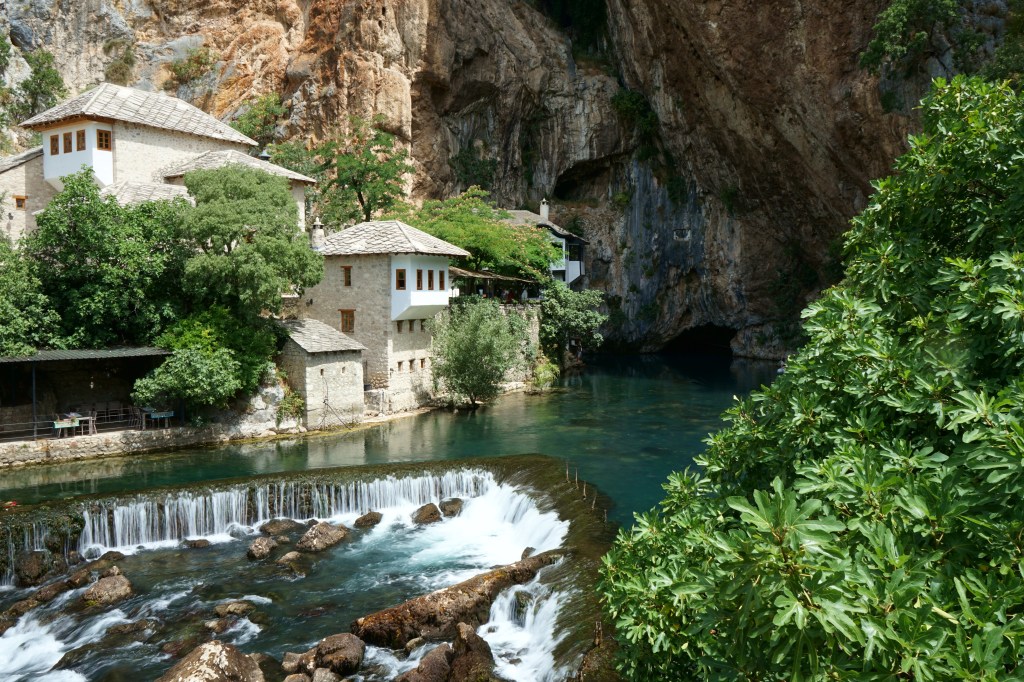
One of the most interesting Islamic pilgrimage sites is the Dervish monastery at Blagaj. Built into a rocky gorge above a cold water spring, the monastery has for centuries been a place where Sufi Dervish monks would come to pray and chant in contemplation of God.
NG, having a bandaged leg that prevented her from swimming for some time, was eager to take a boat ride to the source of the spring and get a bit closer to the water, if not in it. A local paddled us past the monastery and into the cave from which the stream flows. While dark inside, the water reflects the light in an outstanding shade of bright turquoise.
In the shadows of the cave our boatman tells us the depth of the spring is almost 100-feet, confirmed recently by scuba divers. Just then NG fumbles her comb that she likes to carry with her, but it fortunately doesn’t become a treasure for some future scuba divers. She then takes over the paddling and gets us back out into the light.
Whatever the religion, the beautiful pilgrimage sites of Bosnia and Herzegovina are places of nature, beauty and peace. These form one side of this multi-religious country. On the other side is tumult, violence and war.
For more than a thousand years, Bosnia and Herzegovina have been frontier lands for religion. Located between the East and West of Eastern Orthodox Christianity and Roman Catholicism, religious conflict has existed here since the middle ages. The Bogomil sect of Christianity, considered heretics by both East and West, flourished here for some time even as the pope declared a crusade against them. After centuries of persecution and religious wars with their neighbors, the Bogomils welcomed the more tolerant Ottomans as the country became part of the Ottoman empire in the fifteenth century. The Bogomils mostly converted to Islam in the following years.
On a continent where the importance of religion has declined significantly, Bosnia and Herzegovina remains a religious place. Religion forms identity and identity politics have driven violence between neighbors throughout the twentieth century here. The concept of Yugoslavia replaced this religious identity somewhat with a national identity. On religious and ethnic surveys, some people today continue to identify as “Yugoslav.”
This kind of nationalism, though, was eclipsed by sectarian nationalism with the collapse of Yugoslavia. Religion fueled the violence of the Bosnian War of the 1990s, which was the bloodiest conflict of post war Europe.
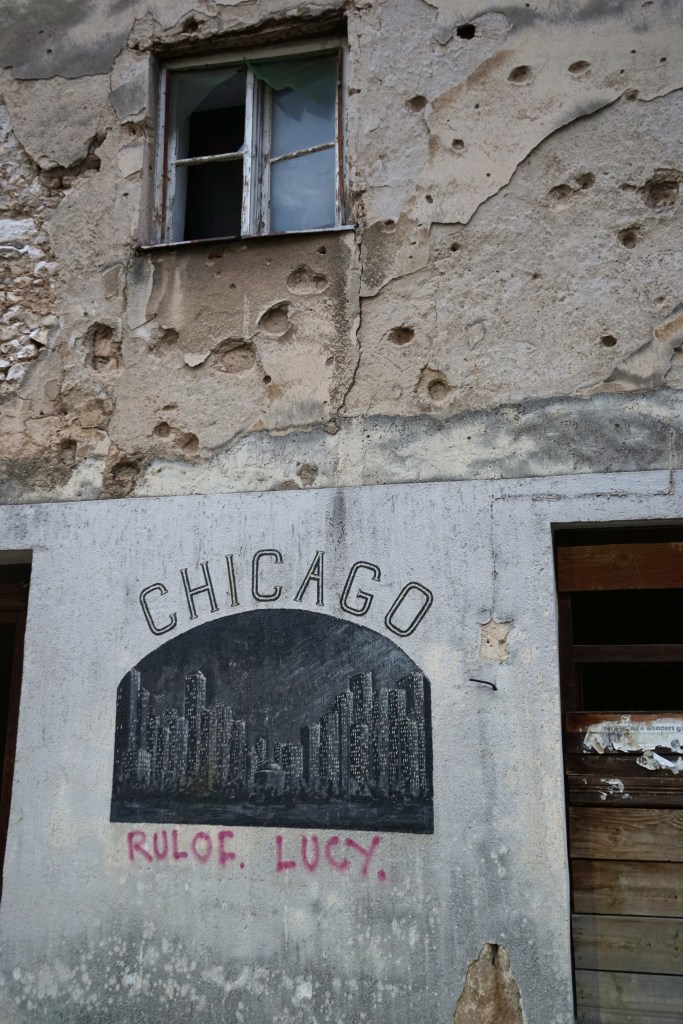
All the wars and conflicts are a world away from the peace and serenity of the Dervish monastery at the spring and it difficult to imagine a world in which the same ideology that can lead a monk to peaceful contemplation and chanting can lead to frenzied hatred and violence.
A local told me that no one here wanted the wars except for the politicians that made them. And it certainly seems that way as Bosnia and Herzegovina is largely a country where people live side by side, mosques share space with churches and there are few complaints about anything other than the state of the economy and government. Everyone seems to be in on that together.
 ADVENTURE-SOMEWHERE.COM