

After ten rough hours on an old, clattering plane, I touched down in Kiev drained of energy. Unrelenting engine noise had bombarded my eardrums the entire flight and now, in the relative quiet of Kiev street traffic, my ears were ringing in a way that was significantly more uncomfortable than the noisy flight.
I’d come here because a failing budget Ukrainian airline had offered a direct flight from Bangkok so ridiculously cheap that it seemed a shame not to take it.
It would only be a brief stop on my ultimate budget flight tour to Switzerland where I hoped to do a bit of temp work and escape Cambodia during the rainy season while my adventure tourism business was on hold.
With just one day in Ukraine, my thought was to visit the site of the Chernobyl nuclear disaster just north of Kiev. A bit dark, maybe, but also very unique. This was the site of the world’s worst nuclear meltdown and is now an eerie abandoned city because of the high radiation levels.
Sites such as the Nazi concentration camps and the Killing Fields in Cambodia impact visitors greatly because of the reminder of what humans are capable of doing to each other. Similarly, Chernobyl is a reminder of what humanity is capable of doing to nature. It’s a warning, a premonition even, of what the future holds if we don’t learn from our mistakes.
I love the time travel aspect of tourism. We walk through ruins that transport us into the past. We feel a deeper connection to history by experiencing the remains of sites like the Colosseum in Rome or Angkor Wat in Cambodia. Sites like Chernobyl are in a way the opposite of this. These are more about traveling to the future, or a possible future at the least. The wastelands of the abandoned towns and forests around the disaster site are our future in its bleakest form.
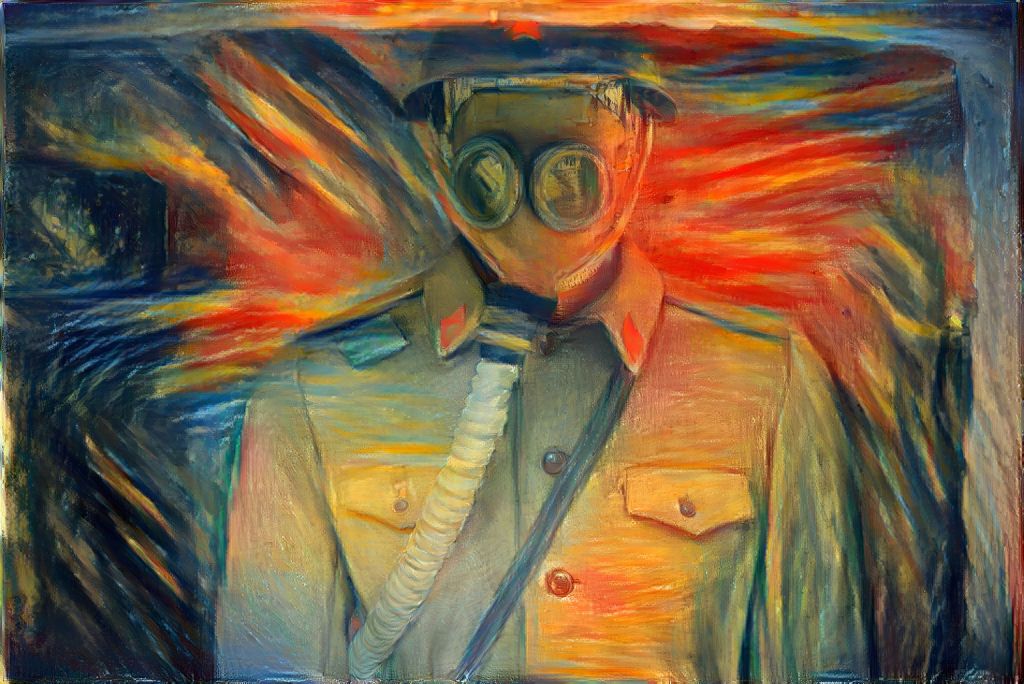
But in researching Chernobyl before my flight, I found that new studies discovered that radiation levels were higher than assumed and it might not be safe at all even to visit the site. This bit of recently gained knowledge, along with the persistent ringing in my ears and exhaustion from the flight made the idea of traipsing through a radioactive zone a bit less appealing than simply finding a quiet spot to get a bite to eat and wait for my next flight.
I entered what appeared to be a restaurant, but it turned out to be a bar lined with locals drinking down their 10:00 am beers. I shrugged my shoulders and ordered one. My internal clock was still on Cambodia time after all, and it was sometime in the afternoon in Southeast Asia.
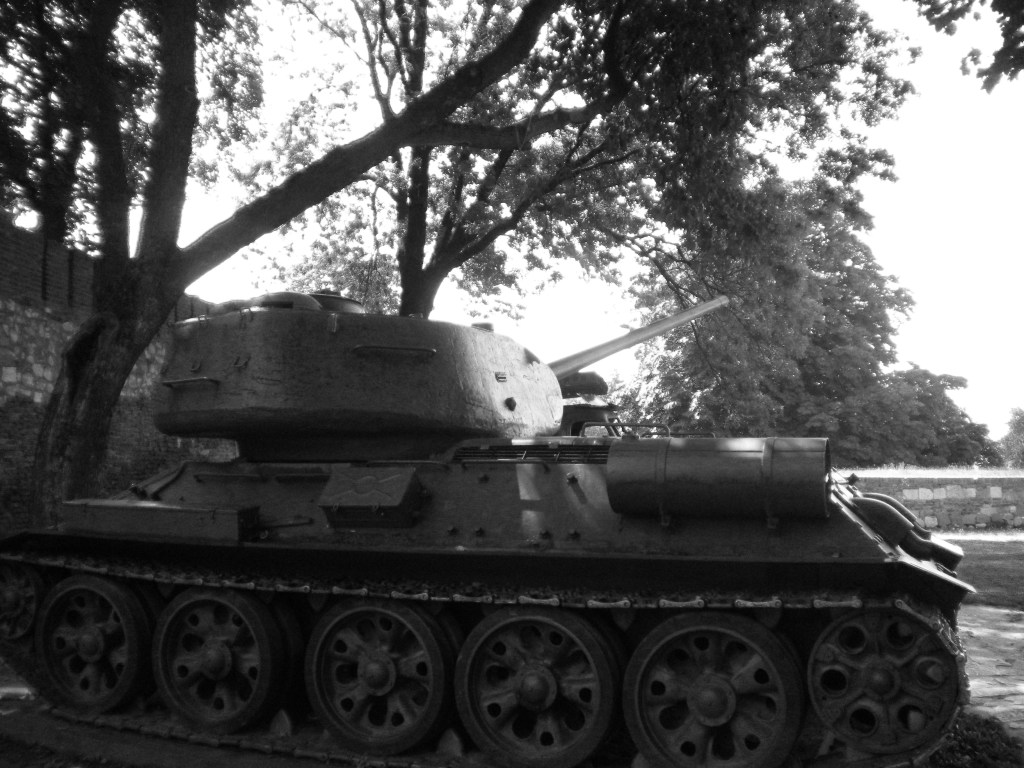
I have always wanted to return to Ukraine and ten years later it seemed like that might actually happen as my family and I were traveling in the region and running out of places in which to travel due to the Covid pandemic. Our European Union visas were soon expiring, and we had already spent months in Bosnia, Serbia, Montenegro and Albania. But just when it seemed like Ukraine might be the one spot left to go, Cambodia opened its borders once again and we instead made our long-awaited return to the country where I had spent much of my life.
One of my favorite aspects of living in Cambodia had been the expatriate scene and this was exceptionally robust upon our return to Phnom Penh. The border had just opened after two years of pandemic restrictions and there were no tourists in the country, but there was an assortment of foreign expats from all over, and many had spent the past two years in Cambodia simply because they had been there when the pandemic hit and there was nowhere else to go.
My father was with us on this trip, and he fit in nicely with the mix of misfits, musicians, artists, and retired wanderers that lived on Street 172 in Phnom Penh during the pandemic. Many tourism-supported restaurants and hotels went out of business because of the pandemic, but the expats kept Street 172 alive, spending their days drinking coffee and seventy-five cent beers in the outdoor cafes and bars of the neighborhood and sleeping in the seven-dollar per night guesthouses that managed to stay afloat by offering cheaper monthly rates.
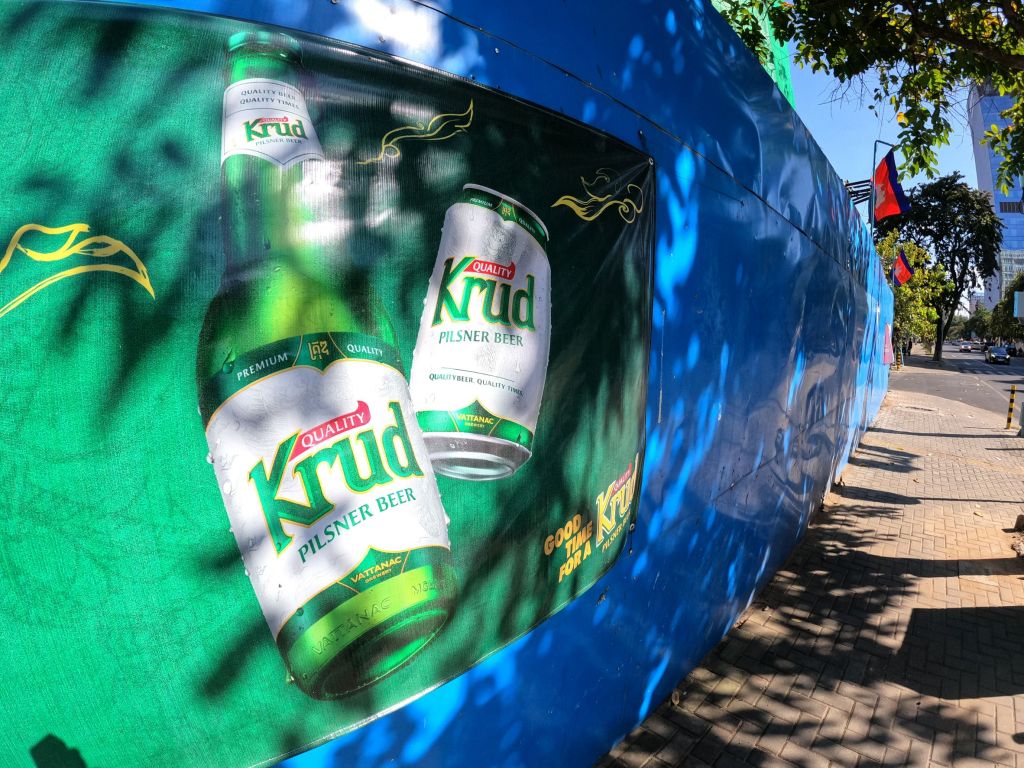
Ukraine was soon the topic of discussion around the beer tables of 172 Street. My father and five or six of the neighborhood alcoholics got worked up after a few beers and began to seriously discuss running off to Ukraine in order to volunteer to fight the Russians in some kind of heroic final blaze of glory.
Here, I had to interrupt because, like the ridiculously cheap flight I had once taken to Ukraine, this was just too good an opportunity to pass up.
“Not one of you here could run fifty yards down the street,” I laughed, pointing towards a bar a bit down 172 Street. “Not even if they were offering free beer.
“You should still go, though. I’m sure they could use some cannon fodder. No need to waste body armor or a gun. Just head straight to the front lines, beer in hand.
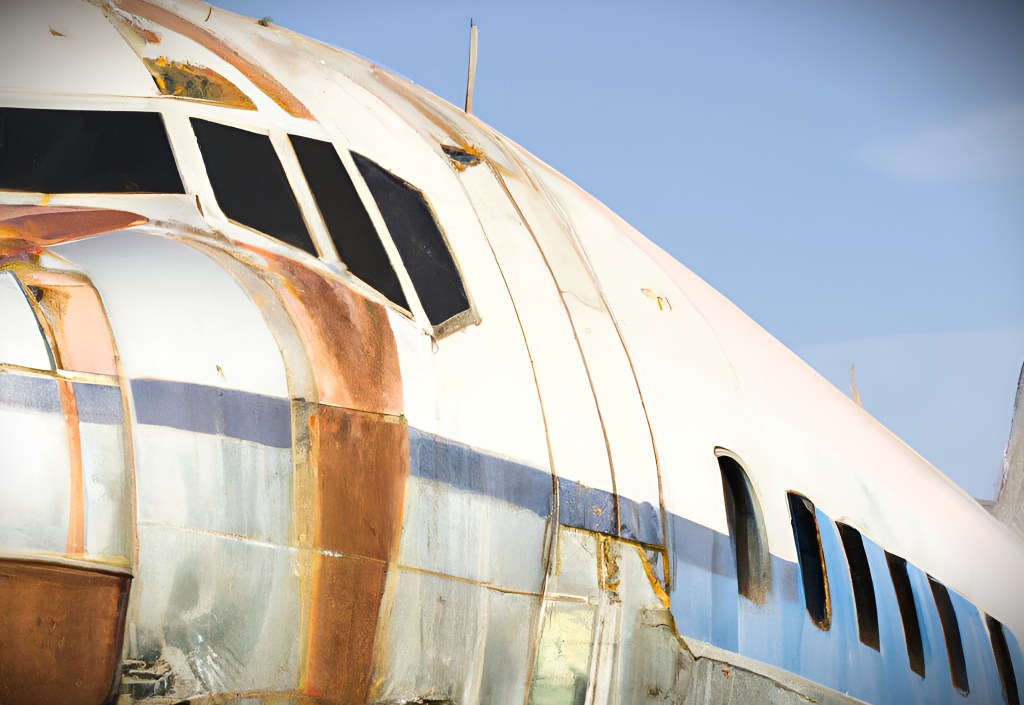
“Of course,” I continued, “I don’t think any of you could handle the flight there. Ukrainian Airlines is rough.”
 ADVENTURE-SOMEWHERE.COM
Hi Luke, very interesting story about Ukraine! It really seems as if you had undertaken this trip just now. How come that the german translation is almost perfect? It can’t be just google or am I wrong? Regards Kurt (in Lucerne at the moment)
LikeLike